- 1. The nine types of door lock, and what each one is
- 2. Choosing a digital lock: start with the door
- 3. How you want to open it
- 4. The questions worth asking before you pay
- 5. Where each kind of lock belongs
- 6. Smart lock myths worth dropping
- 7. A short checklist for the showroom
- 8. Come and press the buttons
- 9. Frequently asked questions
26 September 2026
Door Lock Types: Which Lock Suits Which Door

The lock on your main door is the one fitting in a house that has to work every single time, including when the batteries are low, the power is out, your hands are full and the person at the door is a delivery rider you have never met. Choosing one is less about the feature list on the box and more about matching the lock type to your door, and knowing what happens on the day something fails.
We stock locks across nine types at the showroom in BTM Layout, from mortise and rim locks for a main door to digital locks from Yale, Godrej and Sonet, plus biometric furniture locks, smart safes and video doorbells. This guide covers what each type is, which door it belongs on, and what to check before buying.
The nine types of door lock, and what each one is
Most lock confusion comes from the names, which describe how a lock is built rather than what it does. Here is the whole range we carry, in plain terms.
Mortise lock
The lock body sits inside a pocket cut into the edge of the door, so only the handle and keyhole show. Strongest of the conventional types and the standard for a main door, because the body is held by the door itself rather than screwed to its face. Needs the pocket cut accurately, so it is easier to specify before the door is hung. See our mortise locks. The handle has to suit the lock body, which our main door handle design guide covers.
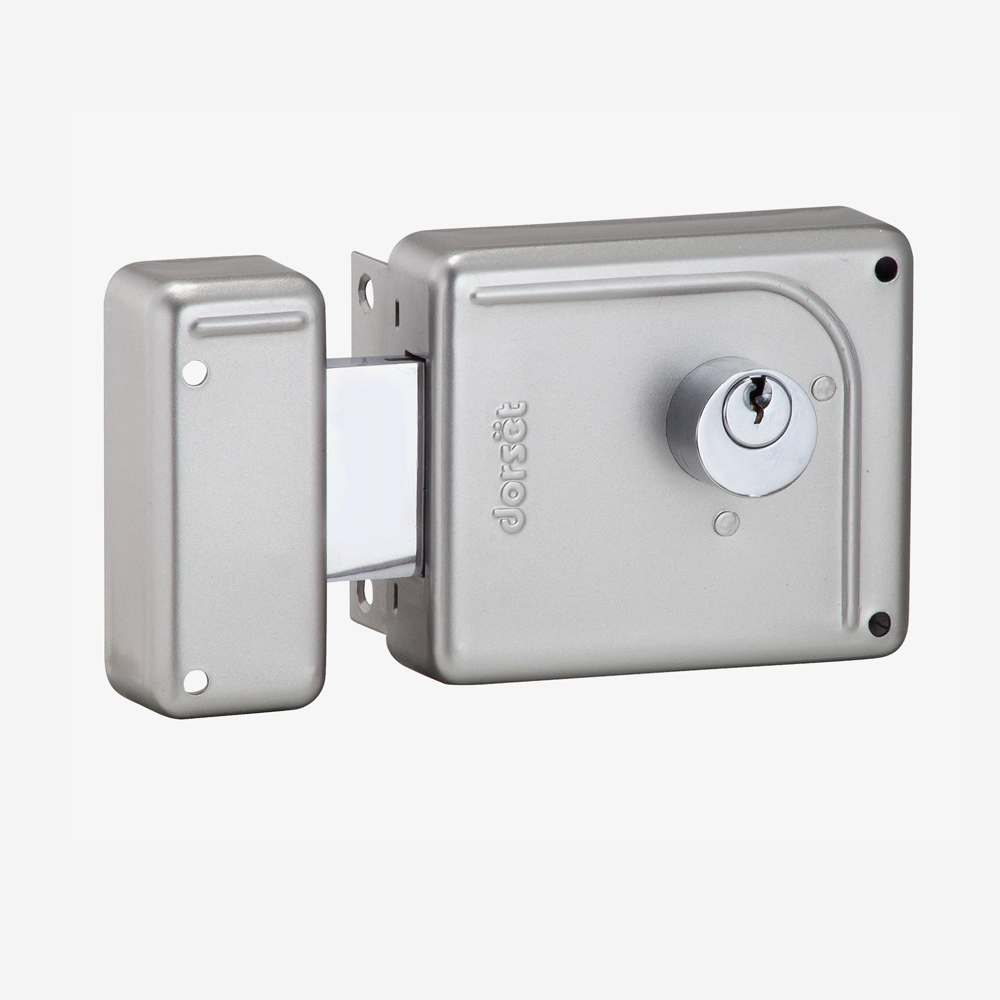
Rim lock
Mounts on the inside face of the door rather than inside it, which makes it far easier to retrofit. No pocket to cut, so it is the usual choice when upgrading an existing door. Our largest lock category is rim locks, and the type most digital main door locks are based on.
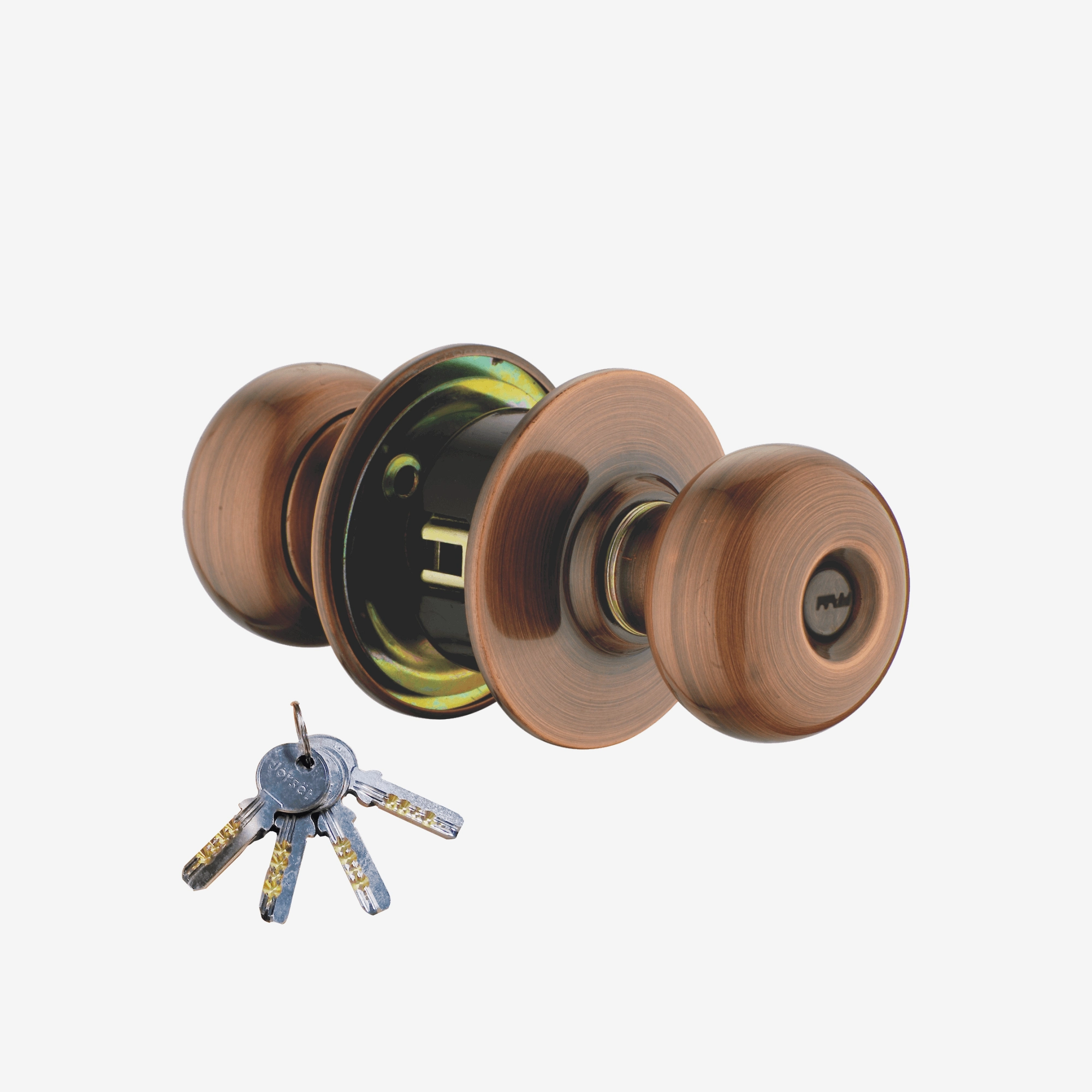
Cylindrical lock set
The knob or lever and the locking mechanism come as one unit through a round hole in the door. Quicker to fit than a mortise and cheaper, which is why it is common on internal doors. Less resistant to force than a mortise, so it belongs inside the house rather than on the entrance. See our cylindrical lock sets.
Rose lock
A lever handle on a small round backplate, the rose. Primarily a handle set with a privacy or key function, used on bedroom and bathroom doors where you need to lock from inside but not secure against forced entry. Browse rose locks. Together with cylindrical sets this is what most internal doors in a home will use.
Digital and smart locks
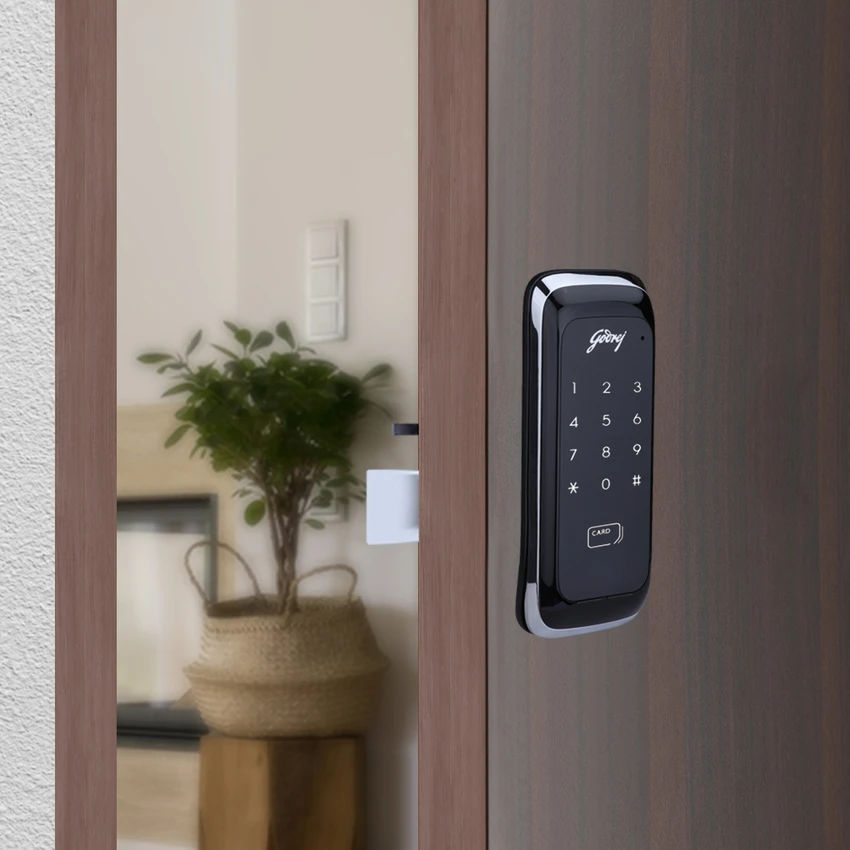
Electronic locks that open by fingerprint, PIN, card, app or key, usually built on a mortise or rim body. The rest of this guide covers these in detail, because they are the type with the most that can go wrong and the most worth checking before you buy. We stock digital door locks from Yale, Godrej and Sonet.
Padlock
Detached, portable, used with a hasp or chain on gates, storerooms, shutters and meter boxes. Judge it by the shackle material and whether the body is brass or hardened steel rather than by size. We carry padlocks from Europa, Godrej and Yale.
Biometric furniture lock
A fingerprint lock sized for a drawer, cabinet or wardrobe shutter rather than a door. Useful where documents or jewellery live in furniture rather than a safe. See our biometric furniture locks.
Wardrobe door lock
A simple keyed lock for a wardrobe shutter or sliding unit, the conventional alternative to the biometric version above. See our wardrobe door locks, worth pairing with the rest of your wardrobe fittings at the same time.
Video doorbell
Not a lock, but it sits in the same decision and people usually buy both together. It answers who is at the door, where the lock answers who gets in. See our smart video doorbells.
Choosing a digital lock: start with the door
Most disappointments start here. A smart lock is built for a particular kind of door, and the wrong pairing either will not fit or will not hold.
Wooden main doors
The usual case in Indian homes, and the best supported. Most mortise style smart locks are made for a solid wooden door of standard thickness. Measure your door's thickness before you shop, because the lock body has to sit inside it.
Doors with an existing rim lock
If your door currently carries a rim lock, a rim style smart lock replaces it with far less carpentry. It mounts on the surface rather than inside the door edge.
Metal, glass and sliding doors
These need specific models. A lock meant for a wooden door will not fit a glass office door or a sliding wardrobe. Tell us the door type first and the choice narrows immediately.
How you want to open it
Nearly every smart lock offers several methods, and the honest answer is that most households settle on one or two and ignore the rest.
- Fingerprint: fastest for daily use, and the reason most people buy. Works less well for very young children and for hands that are wet or damaged.
- PIN code: the practical backup, and the one to give a maid or a relative, because you can change it without touching anything else.
- RFID card or tag: useful for elderly parents who find fingerprints fiddly.
- App or Bluetooth: convenient for letting someone in while you are out, but it depends on a phone, a network and an account.
- Mechanical key: the one that matters. Check the lock has a physical key override, and put that key somewhere outside the house.
The questions worth asking before you pay
What happens when the batteries die?
Good locks warn you for days first. Ask how the lock signals a low battery, and how you get in if you ignore it: most have an emergency power contact, and all should have a mechanical key. If the salesperson cannot answer this, ask someone else.
Who fits it, and what happens to the door?
Fitting a mortise smart lock means cutting into the door. Ask whether installation is included, who does it, and what the cut looks like if you ever remove the lock. For rental homes, this is often the deciding factor, and a rim model is the friendlier choice.
What is the service like in Bengaluru?
Electronics fail differently from mechanical locks. Ask who attends a complaint, how long spares take, and whether the warranty covers the electronics and the mechanical parts alike. We stock Yale and Godrej partly because both have service networks here.
Does it need Wi-Fi?
Many locks work perfectly well with no network at all, using fingerprint and PIN. Wi-Fi or a hub adds remote access and alerts. Decide whether you actually want your front door on the internet, because the answer is not automatic.
Where each kind of lock belongs
| Where | What suits it |
| Main door | Mortise lock, or a digital lock built on a mortise or rim body |
| Bedroom or bathroom door | Rose lock or cylindrical lock set |
| Wardrobe and drawers | Biometric furniture lock or wardrobe lock |
| Valuables | Digital or smart safe |
| Gate or storeroom | Padlock |
| Knowing who is at the door | Video doorbell |
Smart lock myths worth dropping
"It will not work in a power cut"
Smart locks run on batteries, not mains power, so a power cut changes nothing. Battery life is the thing to track, and the lock tells you well in advance.
"Anyone can hack it"
The realistic risks are far more ordinary: a PIN shared with too many people, a fingerprint never removed after a maid leaves, or a mechanical key left under the mat. Manage those and you have solved most of it.
"Fingerprint readers do not work in Indian weather"
Humidity and dust do affect readers, which is exactly why every lock also takes a PIN and a key. In practice, people use the PIN on the days their fingers are wet.
A short checklist for the showroom
- Door type and thickness, measured, not estimated.
- Existing lock: mortise or rim.
- Who uses the door: children, elderly parents, staff, guests.
- Mechanical key override present, and where that key will live.
- Battery type, expected life, and the low battery warning.
- Installation: included or extra, and who does it.
- Warranty terms and the local service contact.
- Try the fingerprint reader yourself on the display unit. Speed and placement vary a lot.
Come and press the buttons
Smart locks are the one product where the showroom genuinely settles it. Reader speed, the weight of the handle, how the keypad lights up, how loud the motor is: none of that comes across in photographs.
Browse our digital door locks, smart safes and video doorbells, or see the whole Yale and Godrej ranges. We are at No 17, 12th A Main Road, BTM 1st Stage, Bengaluru 560029, Monday to Saturday, 9:00am to 7:30pm, and Sunday, 9:30am to 1:30pm.
Fitting out the rest of the house? See our guides to wardrobe fittings and modular kitchen hardware.
Frequently asked questions
What is the difference between a mortise and a rim lock?
A mortise lock sits inside a pocket cut into the edge of the door, which makes it stronger because the door itself holds the lock body. A rim lock mounts on the inside face of the door, so it needs no pocket and is far easier to retrofit to an existing door. Mortise is the stronger choice for a new main door; rim is the practical choice for an upgrade.
Which type of lock is best for a main door?
A mortise lock, or a digital lock built on a mortise body, because the body is held within the door rather than screwed to its surface. If you are retrofitting to a door already in use, a rim-type digital lock gives you most of the benefit without cutting a pocket into the door edge.
Do smart locks work during a power cut?
Yes. They run on batteries, so mains power is irrelevant. Keep an eye on the low battery warning, and keep the mechanical key accessible but not at the door.
Can I fit a smart lock on my existing door?
Usually, provided the door is solid and thick enough. A rim style lock replaces a rim lock with minimal cutting. A mortise style needs a cut into the door edge. Bring a photograph of your door and the current lock and we will tell you which fits.
What happens if the fingerprint reader stops recognising me?
Use the PIN, then re-register the fingerprint. Readers struggle with wet, dusty or cut fingers, which is why every lock we stock offers at least two other ways in.
Are smart locks safe for a house with children?
Yes, and they solve the lost key problem. Give children a PIN rather than a key, and remove it or change it whenever you need to. Fingerprints on small children can be unreliable until they are older.
How much does a smart lock cost?
It depends on the brand, the door type and whether the model includes app control. We share current prices on request: tap "Get a Quote" on any lock, or ask at the showroom, and we will send the current price and tell you what fitting involves for your door.